

Probiotic Soda Recipe cravings are real when you want fizz without the sugar crash. I used to love grabbing a can of soda for a little pick-me-up, but I always felt sluggish after. That pushed me into experimenting in my kitchen until I found my forever favorite: an Easy Probiotic Soda Recipe You Can Make at Home. It is bubbly, tangy, and you get to control everything that goes in it. No weird ingredients, no corners cut, just a happy bottle of gut-friendly sparkle. If you have a little ginger, sugar, and patience, you can do this today. 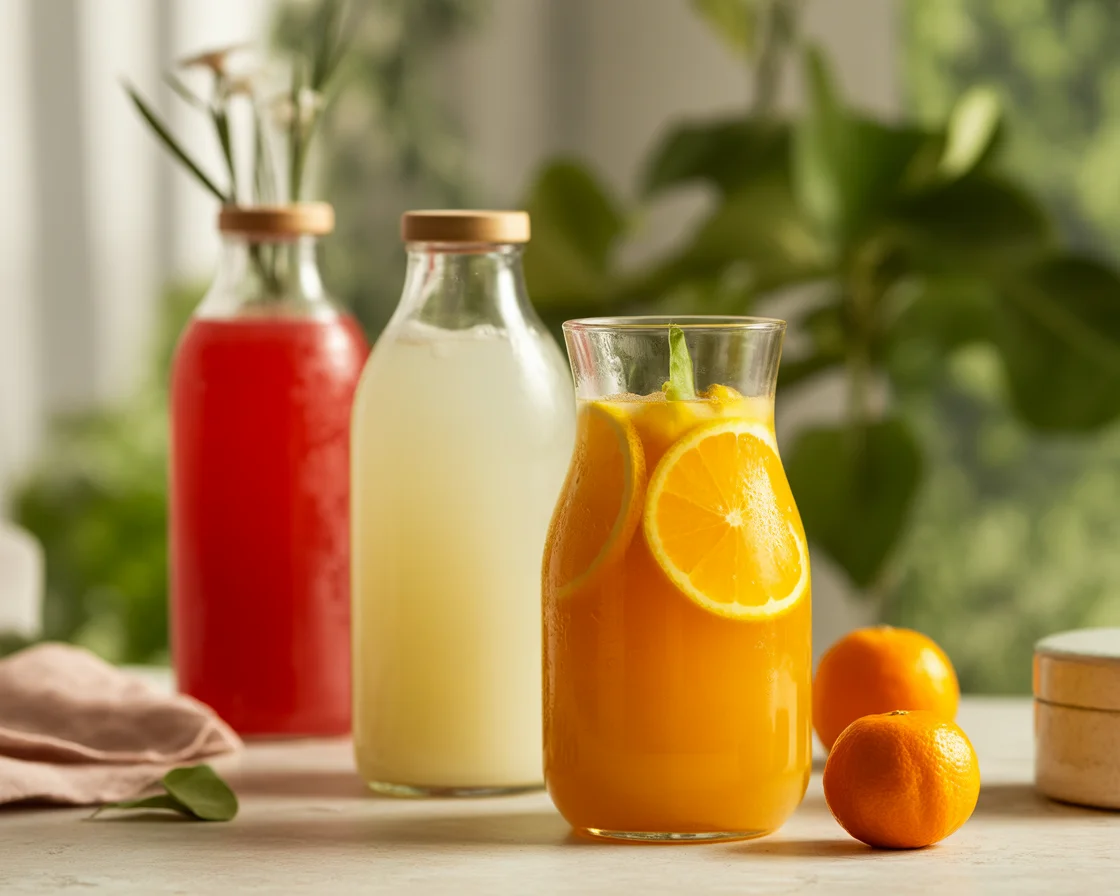
How Does a Ginger Bug Work?
A ginger bug is the heart of homemade probiotic soda. It is a simple starter you make by combining fresh ginger, sugar, and water in a jar. Wild yeasts and good bacteria that live on ginger and in the air start eating the sugar. That fermentation creates natural carbonation and a living culture, which is exactly what turns flavored liquid into a bubbly soda.
Here is the simple idea. You feed the ginger bug a little sugar every day for a few days. As it becomes active, you will see bubbles on top and tiny fizz when you stir. That means the culture is alive and ready to turn your fruit juice or herbal tea into soda. You do not drink the ginger bug itself. You use a few tablespoons to ferment a larger batch of soda. Think of it like sourdough starter for drinks.
One quick note about sugar. The microbes need sugar to eat so they can create fizz. By the time your soda is done, a lot of that sugar gets consumed. If you are watching sugar, this method still gives you a more balanced option than store-bought soda. If you like tangy drinks, you can ferment longer to reduce sweetness even more.
Curious about other tangy sips to support your routine? I also like this simple apple cider vinegar detox drink when I want a different kind of refreshment.
“I never thought bubbles could come from ginger and sugar, but this totally worked. My first batch tasted like a light ginger ale with a little citrus. It felt good on my stomach and my kids loved it.”
Tip: Use clean, non-chlorinated water and a very clean jar. Chlorine can slow fermentation. If your tap water is chlorinated, let it sit out for a few hours before using it or use filtered water.
How to Make Probiotic Soda with a Ginger Bug
What You Need
- 1 clean quart jar with lid for the ginger bug
- 2 to 3 swing-top bottles for the soda
- Fine mesh strainer and funnel
- Measuring spoons and a small grater
Ingredients
- For the ginger bug starter: 2 tablespoons grated fresh ginger, 2 tablespoons sugar, 1 cup non-chlorinated water. You will keep feeding with the same amounts daily for 3 to 5 days.
- For the soda: 3 cups juice, tea, or flavored water of your choice, 1 to 2 tablespoons active ginger bug, 1 to 2 teaspoons sugar or honey if needed for fizz, plus extra water to taste.
Directions
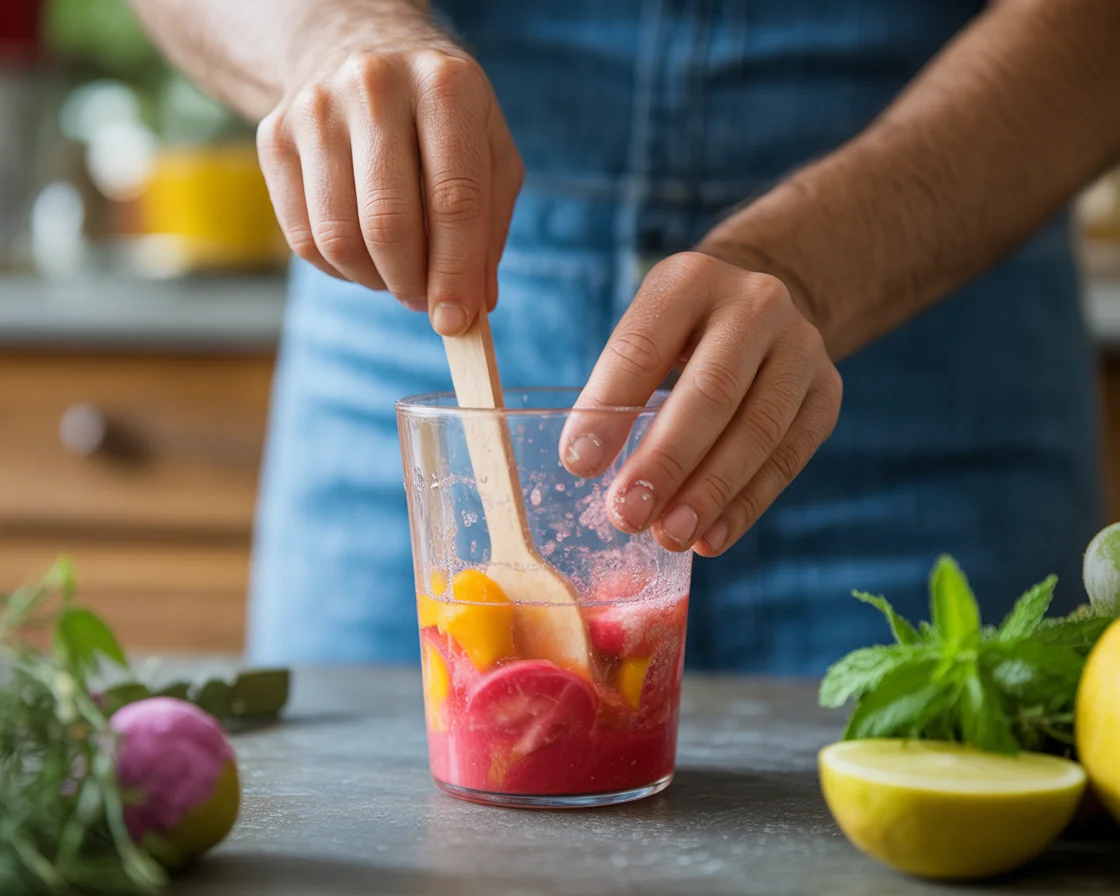
- Start the ginger bug: In a clean jar, mix ginger, sugar, and water. Cover the jar with a breathable cover like a clean cloth or coffee filter, then secure with a rubber band. Leave it on the counter.
- Feed daily: Every day, add 1 tablespoon grated ginger, 1 tablespoon sugar, and a splash of water. Stir. By day 3 to 5, you should see bubbles and smell a light ginger aroma. That means it is active.
- Make your soda base: In a clean pitcher, add 3 cups of your chosen base. I love fresh-pressed apple juice or hibiscus tea. Stir in 1 to 2 tablespoons of strained ginger bug and a teaspoon of sugar if the base is not sweet.
- Bottle it: Use a funnel to fill your swing-top bottles, leaving about 1 inch of headspace. Seal them.
- Second fermentation: Leave at room temperature for 24 to 48 hours for carbonation. Burp the bottles once a day by opening and closing the caps to release pressure.
- Chill and drink: Once bubbly, refrigerate to slow fermentation. Serve cold over ice with a slice of citrus.
If your bottles need a really good clean, I find a warm water soak, a bottle brush, and a pinch of salt do wonders. If you are into handy kitchen hacks, you might like this easy trick that uses pink salt with baking soda for simple cleaning. Here is the guide I love: simple pink salt trick.
Planning a weekend brunch to go with your soda? This cozy apple cinnamon french toast casserole makes the best pairing. The sweet cinnamon notes taste amazing with a tangy ginger fizz.
How Long to Ferment the Soda
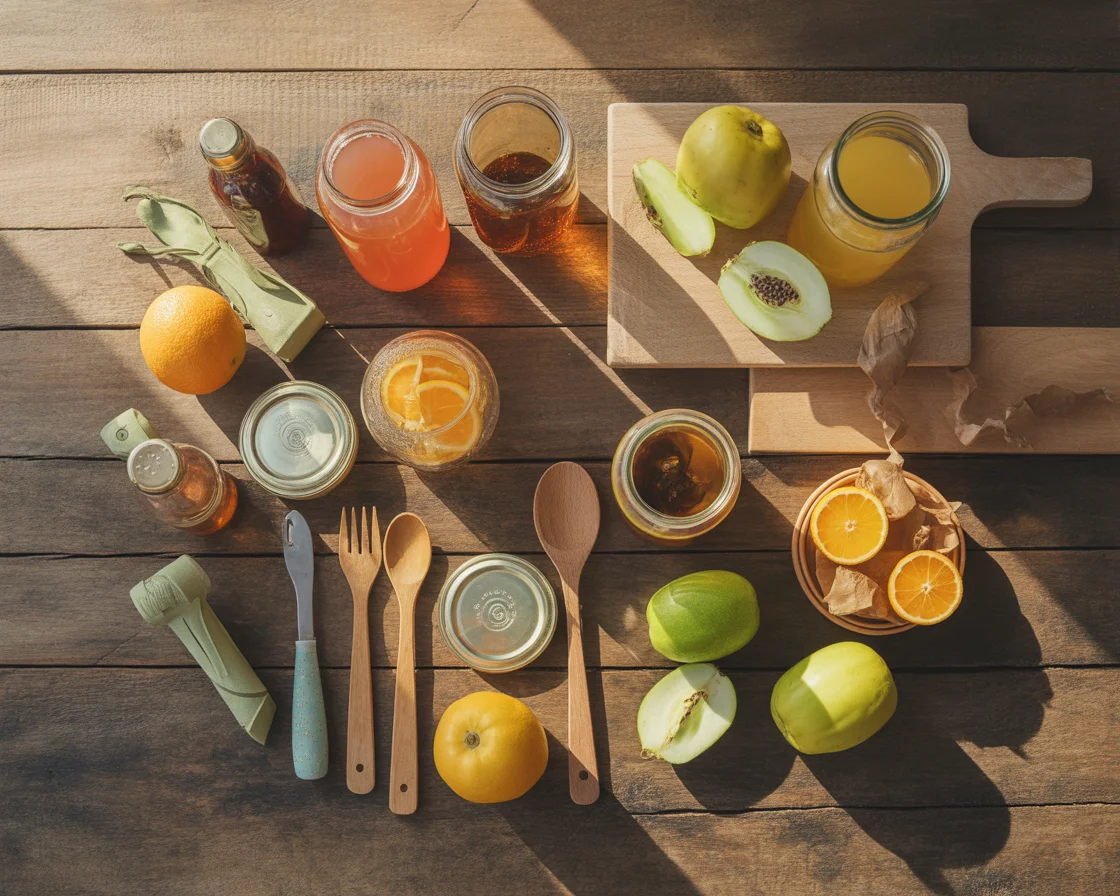
There are two short stages here. First, the ginger bug stage. It usually takes 3 to 5 days to get the culture active enough to use. If your kitchen is warm, it may become bubbly faster. If it is cool, give it a few extra days and keep feeding daily. You should see consistent bubbles and a faintly sweet, gingery smell before you move on.
Second, the bottle fermentation. Once you mix your soda base and bottle it with ginger bug, it typically needs 24 to 48 hours at room temperature to get fizzy. You can go longer if you want it less sweet and a bit more tangy, but please burp your bottles daily to release pressure. This is especially important if you are using very sweet juice or if the room is warm.
Signs it is ready: Light hiss when you open the bottle, visible bubbles clinging to the sides, and a balanced taste that is not too sweet.
Temperature helps: Around 70 to 75°F gives steady results. Cooler rooms slow it down. Warmer rooms speed it up. If it gets very warm, check bottles more often.
When you are meal planning, this fizzy sip goes great with hearty dinners like authentic Spanish rice. The gentle acidity refreshes your palate between bites.
I like to repeat the main takeaway here: an Easy Probiotic Soda Recipe You Can Make at Home is fast. Once your ginger bug is active, you can have chilled soda in about two days.
Is Probiotic Soda Safe for Diabetes?
This is a super common question. Probiotic soda needs real sugar during fermentation, because the microbes must eat to create carbonation. That said, much of the sugar gets consumed as the drink ferments. You can reduce sugar in the final drink by letting it ferment longer and using a less sweet base like diluted fruit juice or herbal tea.
Here are a few smart tweaks I use for a lighter sip:
Use half juice and half water for the base. Choose juices lower in sugar like tart cherry, pomegranate, or cranberry and sweeten lightly. If using herbal tea, add just 1 teaspoon of sugar per bottle to feed the microbes. Ferment a bit longer at room temp, then move to the fridge. Always taste as you go.
If you manage blood sugar, please talk with your healthcare provider and test how it affects you. Everyone is different. Keep portions moderate and pair your soda with a protein-rich meal. I love sipping mine with baked turkey meatballs for a balanced, filling plate.
One more note. Zero-calorie sweeteners do not feed the microbes, so if you use them, you still need a small amount of real sugar for fermentation. You can try a split method. A teaspoon of sugar for fermentation, then use a small amount of your preferred sweetener to adjust taste at the end if needed.
As always, your body is the best guide. If you need a very specific plan, consult a dietitian. You can still enjoy an Easy Probiotic Soda Recipe You Can Make at Home with mindful tweaks.
Why Homemade Probiotic Soda is Good for You
Homemade means control. That is the biggest win. You choose the base, the sweetness level, and how sour or bubbly you want it. You avoid the artificial colors and mystery syrups in most store-bought options. Better yet, you get living cultures that can support a happy gut.
- Live cultures: Your ginger bug gives you beneficial microbes that can support digestion.
- Lower sugar: Fermentation reduces sugar, and you set the baseline by choosing the base and timing.
- Flavor freedom: Try hibiscus, lemon ginger, strawberry basil, or spiced apple. It is your kitchen.
- Less waste: Reuse bottles and avoid single-use cans.
- Budget friendly: A small piece of ginger and a cup of sugar go a long way.
On cozy evenings, I pour a chilled glass alongside a warm dessert like this crunchy apple crisp. Tangy bubbles next to a cinnamon crumble is the dream. If you want to build a whole spread, invite friends and serve simple party bites too. My kids always beg for a round two of fizz when dessert hits the table.
Once you get the hang of it, you might want to experiment with other recipes for gatherings or game night. If you like finger food with a touch of smoky sweetness, try these bang bang chicken sliders. The light spice with chilled soda is a great combo.
And when brunch calls, your homemade bubbles make a refreshing non-alcoholic sip next to sweeter bites. It plays nicely with pastries and coffee treats, or even quick snacks when you do not feel like cooking.
At the end of the day, this drink is part of a simple lifestyle shift. Make one small thing from scratch. Share it. Enjoy it. An Easy Probiotic Soda Recipe You Can Make at Home is such an easy win.
Sip, Smile, Repeat
You now know how a ginger bug works, how to build your soda, and how long to ferment for the perfect fizz. Keep it clean, keep it patient, and trust the bubbles. If you want a deeper dive, I love this clear guide on How To Make Probiotic Soda Using A Ginger Bug. Once you try it, you might never look back at store-bought soda. Start your first batch today and enjoy an Easy Probiotic Soda Recipe You Can Make at Home that is refreshing, affordable, and totally customizable. 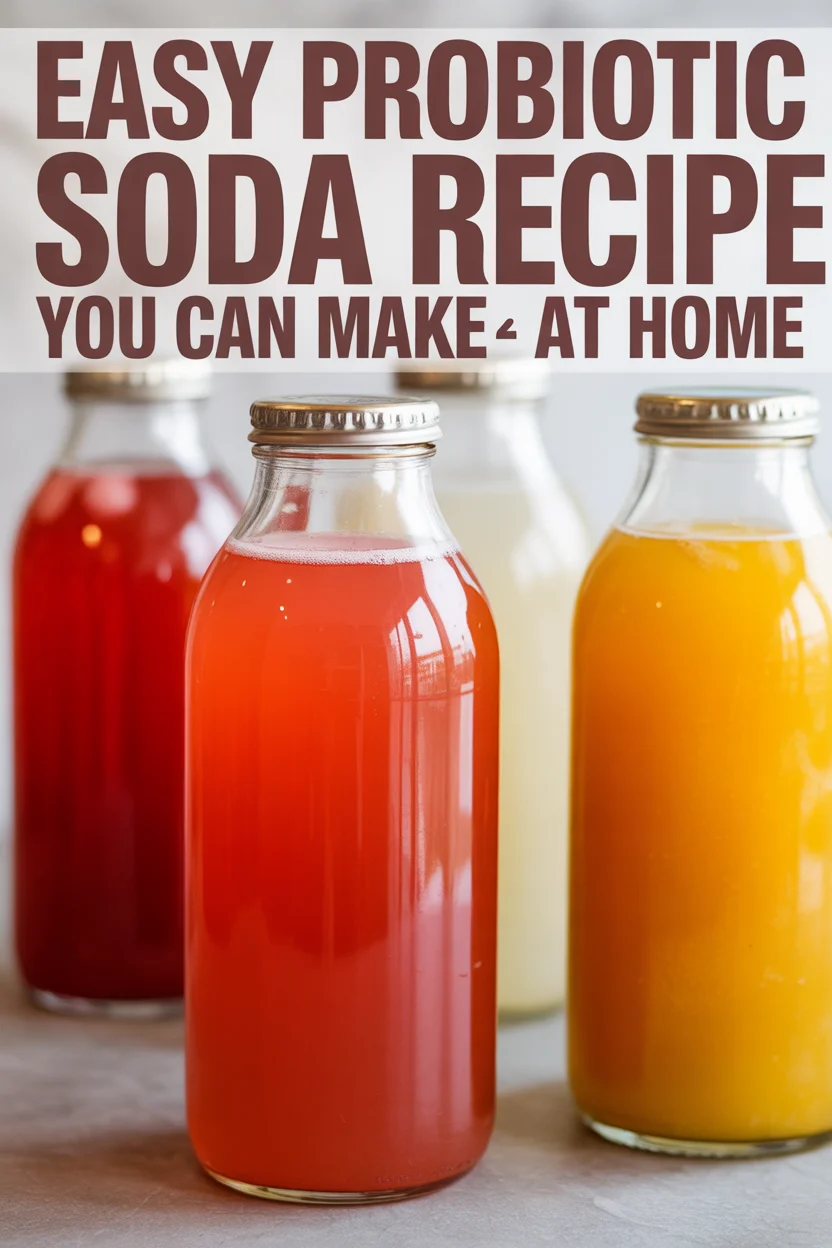 Print
Print

Easy Probiotic Soda Recipe
- Total Time: 3 days
- Yield: 4 servings 1x
- Diet: Vegan
Description
A bubbly, tangy homemade probiotic soda made with a ginger bug, offering a refreshing alternative to sugary sodas.
Ingredients
- For the ginger bug starter: 2 tablespoons grated fresh ginger
- 2 tablespoons sugar
- 1 cup non-chlorinated water
- For the soda: 3 cups juice, tea, or flavored water of your choice
- 1 to 2 tablespoons active ginger bug
- 1 to 2 teaspoons sugar or honey (if needed for fizz)
- Extra water to taste
Instructions
- Start the ginger bug: In a clean jar, mix ginger, sugar, and water. Cover with a breathable cover and secure it.
- Feed daily: Add 1 tablespoon grated ginger, 1 tablespoon sugar, and a splash of water daily for 3 to 5 days.
- Make your soda base: In a clean pitcher, add 3 cups of your chosen base and stir in 1 to 2 tablespoons of strained ginger bug with a teaspoon of sugar if needed.
- Bottle it: Use a funnel to fill swing-top bottles, leaving about 1 inch of headspace, and seal them.
- Second fermentation: Leave at room temperature for 24 to 48 hours, burping the bottles once a day.
- Chill and drink: Once bubbly, refrigerate and serve cold over ice with a slice of citrus.
Notes
Use clean, non-chlorinated water and a very clean jar. Fermentation may take longer in cooler temperatures.
- Prep Time: 15 minutes
- Cook Time: 48 minutes
- Category: Beverage
- Method: Fermentation
- Cuisine: Homemade
Nutrition
- Serving Size: 1 serving
- Calories: 50
- Sugar: 8g
- Sodium: 5mg
- Fat: 0g
- Saturated Fat: 0g
- Unsaturated Fat: 0g
- Trans Fat: 0g
- Carbohydrates: 12g
- Fiber: 0g
- Protein: 0g
- Cholesterol: 0mg