

apple cider vinegar for weight loss is one of those phrases I used to roll my eyes at. I mean, can a tart pantry staple really help with cravings and bloating? After a month of testing, I changed my mind. Today I’m sharing the simple drink I reach for when the snack monster hits at 4 pm, plus the honest truth about what it can and cannot do. It’s budget friendly, takes two minutes, and tastes way better than those harsh shots you see online. You’ll find my full routine and a few fun twists below. 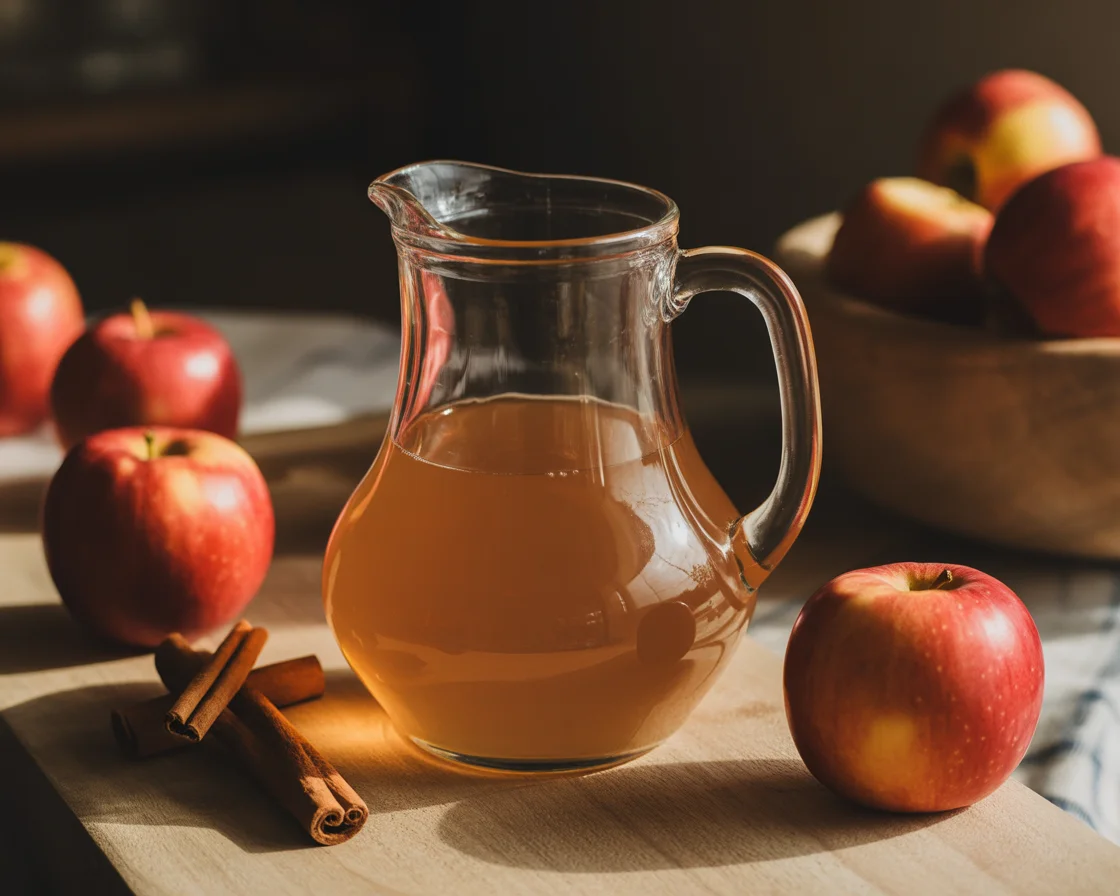
Does apple cider help you lose weight and body fat?
Short answer: it can help, but it’s not magic. The main active compound in apple cider vinegar is acetic acid. Research suggests acetic acid may support appetite control, slightly improve blood sugar response after meals, and nudge your body toward using fat for energy. What that looks like in real life is this: you feel a bit more satisfied, you tend to snack less, and your energy stays steadier between meals.
Here’s how it’s helped me. When I sip a diluted mix before a carb heavy meal, I feel fuller faster and I’m less likely to go back for seconds. I also notice fewer crashes in the late afternoon. That said, the scale moves when I pair it with practical habits like eating protein, choosing fiber rich carbs, and walking after meals. Apple cider vinegar for weight loss works best as a small, supportive habit, not a solo solution.
I tried your daily sip for two weeks, and the urge to rummage the pantry at night went way down. My jeans feel looser, and I’m not white knuckling it through cravings anymore. The taste surprised me too. It’s actually kind of refreshing.
– Jenna, busy mom of three
For another gentle way to build a steady routine, you might like this cozy apple cider vinegar detox drink. It leans hydrating and light, perfect for mornings.

What is apple cider vinegar?
Apple cider vinegar is simply fermented apple juice. First, yeast turns the natural sugars into alcohol. Then bacteria convert that alcohol into acetic acid, which gives vinegar its tang. Raw and unfiltered versions contain “the mother,” a cloud of proteins and friendly bacteria that some people find helpful. Look for labels that say raw, unfiltered, and around 5 percent acidity. That’s ideal for kitchen use and for drinks when properly diluted.
A quick buying tip: choose a glass bottle if you can and store it in a cool, dark spot. No need to refrigerate. If you cook with it too, you’ll love how it brightens savory recipes like this juicy apple cider glazed chicken for weeknights. It’s a tasty way to use what you buy and keep things waste free.
I keep a bottle on my counter for easy reach. When the bottle looks a little cloudy, that’s normal. Give it a gentle swirl to disperse the mother before measuring. If you’re brand new to this, you’ll want to start small and work up. We’ll get to that in the recipe below.

Does apple cider vinegar increase fullness and reduce calorie intake?
It can. Studies show that taking a small amount of ACV diluted in water before or with meals may increase feelings of fullness and help you naturally eat less. The mechanisms are pretty simple. Acetic acid can slow the rate at which food leaves your stomach, and it may help your body handle carbs without a big spike and crash. Less swing usually means fewer cravings later.
The key is the dose. A common sweet spot is 2 teaspoons up to 1 tablespoon in a tall glass of water. Going higher can be harsh on your stomach and your tooth enamel. I’ve tested this on rushed mornings, after gym sessions, and before Friday takeout. My routine works best when I sip it calmly over a few minutes, not as a shot. If you prefer more flavorful sips, you can also try this bright lemon balm infusion on off days to keep hydration up without boredom.
While you’re optimizing meals, high fiber sides and lean proteins help too. Curious about smarter carb picks? Here’s a helpful guide on are soba noodles healthy for weight loss that pairs nicely with the vinegar habit.
If a diluted drink still tastes too sharp at first, add a tiny drizzle of honey or a squeeze of citrus. That gentle sweetness smooths out the edges without ruining the effect.
How do you use apple cider vinegar for weight loss?
Here’s my go to daily sip. It’s light, lemony, and not overly sweet. I drink it before lunch or dinner most days. And yes, it actually tastes good.
What you’ll need
- Raw, unfiltered apple cider vinegar
- Tall glass or a lidded mason jar
- Filtered water and a few ice cubes
- Optional: lemon, cinnamon, ginger, or a drop of pure vanilla
Ingredients
- 2 teaspoons apple cider vinegar to start, up to 1 tablespoon if you tolerate it
- 8 to 12 ounces cold or room temperature water
- 1 to 2 teaspoons fresh lemon juice
- 1 pinch ground cinnamon or a few slices of fresh ginger
- Optional: 1 teaspoon honey or pure maple if you need a softer taste
Directions
- Fill your glass with water and ice.
- Add the apple cider vinegar first, then lemon juice.
- Sprinkle in cinnamon or add ginger. Stir well.
- Taste and decide if you need a tiny bit of honey. Stir again.
- Sip slowly 5 to 10 minutes before a meal, or enjoy with your meal.
Flavor boosts and easy swaps
If you like a brighter sip, add a splash of sparkling water for a gentle fizz. A drop of vanilla makes it taste like a light cream soda without the sugar. In fall, I warm the water and use cinnamon and ginger for a cozy version. And on mornings when I crave variety but still want a metabolism friendly routine, I’ll rotate with this zippy coffee lemon honey mix or keep it herbal with a lemon balm infusion.
When to drink and how often
Start with once daily. If that feels good, you can add a second serving before your heaviest meal. Most folks do well with a total of 2 to 3 teaspoons daily split into one or two drinks. More is not better. Give it 2 to 4 weeks and track how you feel. I keep notes on hunger, mood, and energy, because changing how you feel day to day matters as much as the number on the scale.
A few safety notes. Always dilute apple cider vinegar. It’s acidic and can irritate your throat and enamel if taken straight. Sip with a straw if you’re enamel sensitive, and give your mouth a quick rinse with plain water afterward. If you take medications for blood sugar or potassium, or you have reflux, talk to your healthcare provider before adding it. If you ever feel queasy, cut the dose or switch to food based uses like vinaigrettes until you feel better. And remember, apple cider vinegar for weight loss supports a healthy pattern. It doesn’t replace meals, movement, or sleep.
Does apple cider vinegar have other health benefits?
There are a few interesting ones. People often notice steadier blood sugar after carb heavy meals, less bloating, and a slight lift in digestion. Vinegar also has natural antimicrobial properties, which is why it shows up in pickling and cleaning. In the kitchen, it brings brightness to sauces and stews, and that alone can make healthy meals more satisfying. When food tastes good, you stick with it. If you want a cozy dinner idea that still supports your goals, try a simple cider based skillet like this practical apple cider glazed chicken or keep it comfort forward with a bowl of hearty veggies and lean protein.
One more tip: pairing sensible meals with small habits compounds your results over time. On days when I am not in the mood for a vinegar drink, I still keep routines that support satiety, like higher protein lunches, fiber rich carbs, and a 10 minute walk. If you like little hacks, you might also enjoy the gentle, dessert like approach in this apple cider cheesecake for special occasions. It keeps the spirit of apple season alive without going overboard.
As always, listen to your body. If something feels off, scale back. If it helps you feel more in control of cravings and portions, keep it in your rotation. Consistency beats intensity every time with habits like these.
A friendly wrap up and how to start today
Here’s the heart of it. Apple cider vinegar for weight loss can be a steady, helpful nudge when you use it smartly and consistently. Keep your dose modest, dilute it, and pair it with meals rich in protein and fiber. The drink here is quick, tasty, and easy to make your own. If you want a deeper dive into the science and safety, the Mayo Clinic has a clear overview right here: Apple cider vinegar for weight loss – Mayo Clinic. Now grab a glass, mix your first batch, and see how it fits into your routine this week. You might be surprised by how much better you feel after a few steady days.  Print
Print

Apple Cider Vinegar Daily Sip
- Total Time: 2 minutes
- Yield: 1 serving 1x
- Diet: Vegetarian
Description
A refreshing drink made with apple cider vinegar that helps control cravings and supports weight loss when paired with healthy habits.
Ingredients
- 2 teaspoons apple cider vinegar (up to 1 tablespoon if tolerated)
- 8 to 12 ounces cold or room temperature filtered water
- 1 to 2 teaspoons fresh lemon juice
- 1 pinch ground cinnamon or a few slices of fresh ginger
- Optional: 1 teaspoon honey or pure maple syrup for sweetness
Instructions
- Fill your glass with water and ice.
- Add the apple cider vinegar, followed by lemon juice.
- Sprinkle in cinnamon or add ginger, and stir well.
- Taste and add honey if desired, then stir again.
- Sip slowly for 5 to 10 minutes before a meal, or enjoy during the meal.
Notes
Dilute apple cider vinegar before consumption to avoid irritation. Start with one serving daily and can increase to two servings if desired. Always track how it affects your body.
- Prep Time: 2 minutes
- Cook Time: 0 minutes
- Category: Drink
- Method: No cooking required
- Cuisine: American
Nutrition
- Serving Size: 1 serving
- Calories: 30
- Sugar: 3g
- Sodium: 0mg
- Fat: 0g
- Saturated Fat: 0g
- Unsaturated Fat: 0g
- Trans Fat: 0g
- Carbohydrates: 7g
- Fiber: 0g
- Protein: 0g
- Cholesterol: 0mg